
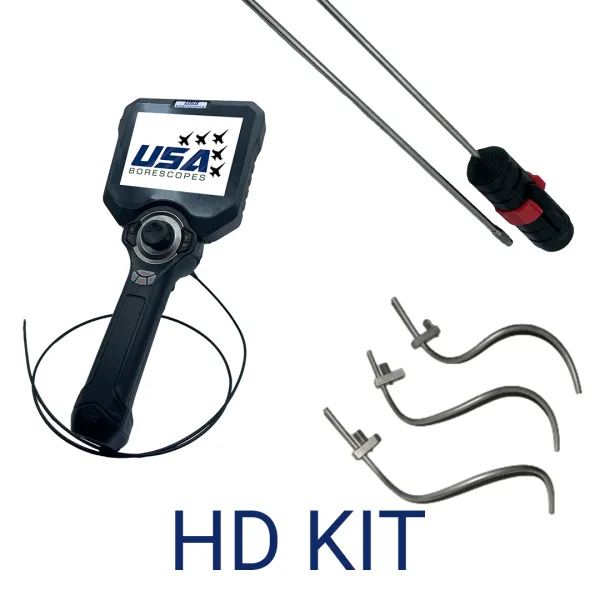
Borescopes are precision inspection instruments—not just durable tools. They’re built to deliver clear, detailed visuals in environments that are often hot, cramped, and unforgiving. But despite their robust design, most borescope failures come from improper handling rather than manufacturing defects.
For teams that depend on their borescopes every day, the difference between years of reliable use and a costly repair bill often comes down to a few avoidable mistakes.
Contents
- 1 Mistake 1: Forcing the probe through tight access paths
- 2 Mistake 2: Mishandling articulation controls
- 3 Mistake 3: Neglecting post-use cleaning
- 4 Mistake 4: Improper coiling and storage
- 5 Mistake 5: Ignoring small warning signs
- 6 Mistake 6: Using the wrong borescope for the job
- 7 How to build a borescope care culture
- 8 Keeping your tools reliable with expert support
- 9 About the Author
Mistake 1: Forcing the probe through tight access paths
Why it happens
Technicians under time pressure sometimes try to push or twist the insertion tube through a tight or misaligned access point, assuming a bit of extra force won’t hurt.
The damage it causes
- Crushed or kinked internal cables
- Compromised articulation or permanent bends
- Misalignment of the camera head, reducing image clarity
Once the sheath or articulation section is damaged, repairs are rarely simple. The internal structure can be delicate, and one bad move may shorten the tool’s lifespan dramatically.
The better practice
Always confirm the correct probe diameter and path before insertion. If resistance is felt, stop—back out, realign, and inspect the entry point. Borescopes are designed to see around corners, not to force through them.
Mistake 2: Mishandling articulation controls
Why it happens
It’s tempting to “snap” the joystick or knob to get a quick response, or hold the articulation at full bend while rotating the probe. These habits feel harmless—but over time, they strain the articulation cables.
The damage it causes
- Stretched or broken articulation wires
- Stiff or unresponsive bending mechanisms
- Articulation that no longer holds position
The better practice
Use slow, controlled articulation. Release some bend before rotating the probe and avoid holding it at maximum deflection for more than a few seconds. Smooth, deliberate movements preserve precision control.
Mistake 3: Neglecting post-use cleaning
Why it happens
After a long shift, cleaning often gets skipped—especially if the scope “doesn’t look dirty.” But even invisible residues can cause gradual performance loss.
The damage it causes
- Micro-abrasion on the lens or articulation joints
- Contamination buildup that dulls lighting and image quality
- Moisture intrusion if the probe isn’t fully dried before storage
The better practice
Use only manufacturer-approved, non-abrasive wipes and cleaning solutions. Dry the probe completely, especially near articulation joints. Regular cleaning keeps the optical and mechanical components in top shape.
Mistake 4: Improper coiling and storage
Why it happens
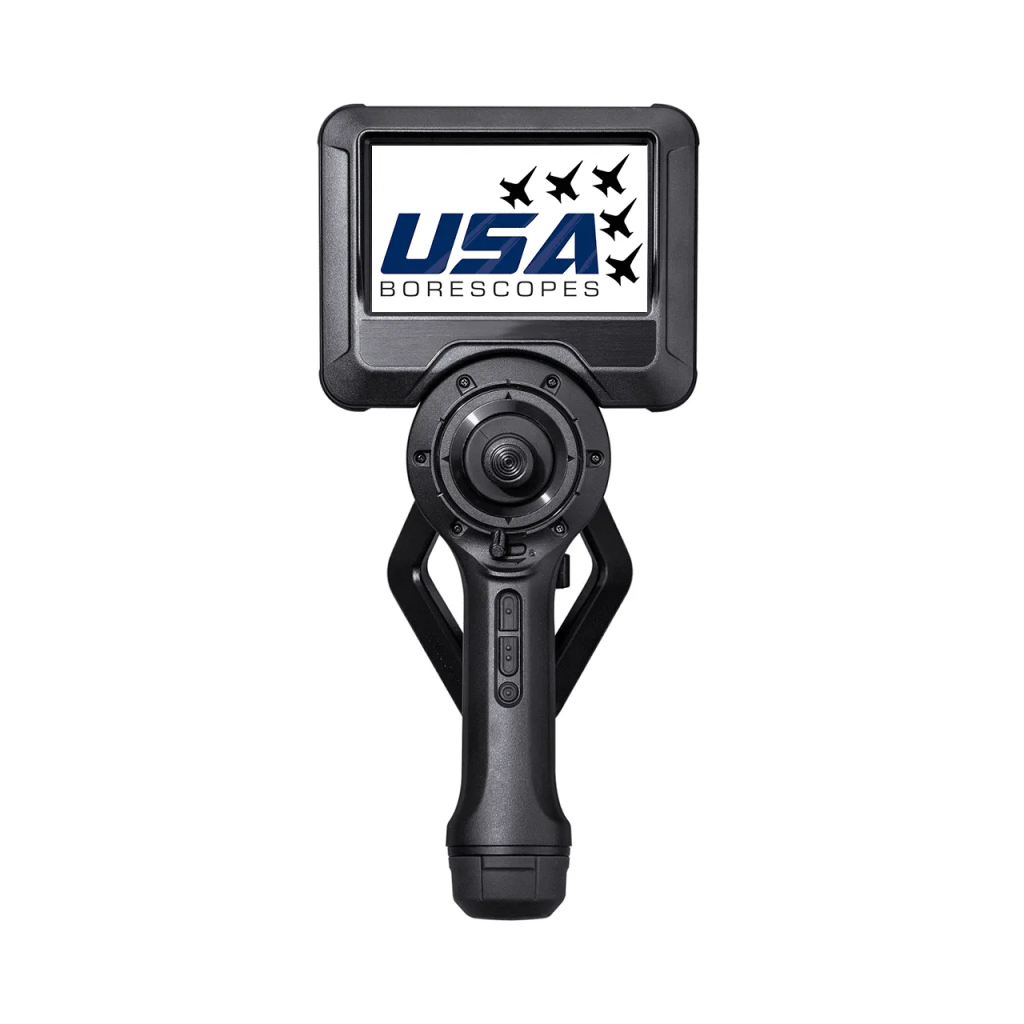
Technicians often coil the probe too tightly or store it under heavy objects to save space. It’s a quick solution—but it’s also one of the fastest ways to damage a borescope permanently.
The damage it causes
- Kinks in the insertion tube
- Internal fractures in fiber or cable assemblies
- Distortion in the probe that affects image stability
The better practice
Always coil loosely—never tighter than the manufacturer’s minimum bend radius—and store the scope in its protective case. Avoid resting anything on top of it. A borescope should be treated like an optical instrument, not a power cord.
Mistake 5: Ignoring small warning signs
Why it happens
When image quality fades or articulation feels off, teams often work around it instead of stopping for an evaluation.
The damage it causes
Minor wear becomes major failure. What might have been a small repair—such as re-sheathing or re-tensioning articulation cables—can evolve into a full rebuild or replacement.
The better practice
If a borescope’s performance changes noticeably, stop using it and schedule a professional inspection. Specialist services can diagnose the issue and often restore the scope before it fails completely.
Mistake 6: Using the wrong borescope for the job
Why it happens
In busy operations, it’s tempting to grab whatever scope is available, even if it’s not rated for the diameter, length, or environment in question.
The damage it causes
- Overbending or twisting due to unsuitable probe length
- Exposure to temperatures or chemicals beyond design limits
- Contamination from incompatible environments
The better practice
Always match the borescope’s specifications to the inspection environment. If you regularly switch between applications—such as engines, turbines, or large-diameter ducts—consider having dedicated probes or adapters for each use case.
How to build a borescope care culture
Train every operator
A short, structured training session on handling and maintenance pays off more than most realize. Even experienced technicians benefit from periodic refreshers that reinforce good habits.
Keep a simple inspection log
Record when scopes were used, cleaned, and inspected for damage. This helps identify patterns—such as a specific team or task causing frequent wear—and gives you an early warning when performance trends decline.
Schedule routine evaluations
Annual or semi-annual evaluations by a certified service provider ensure that small mechanical or optical issues don’t compound. Consistent inspections and timely repairs extend the usable life of expensive assets.
Keeping your tools reliable with expert support
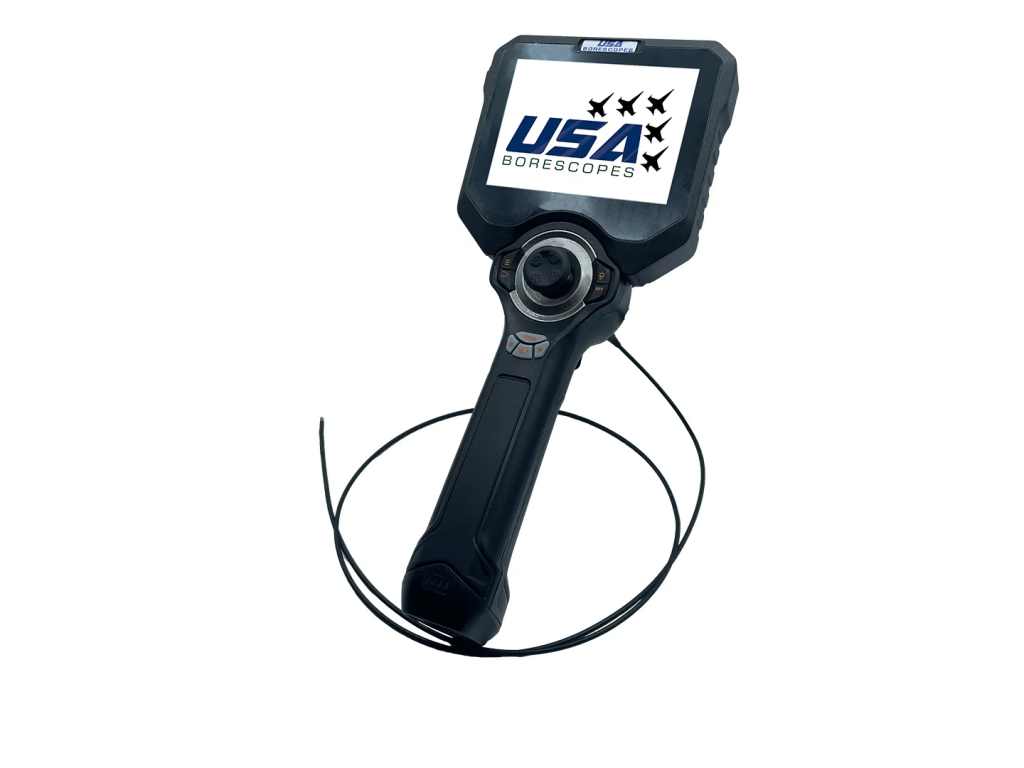
Borescopes are built to perform demanding visual inspections for years—but only if they’re treated with the care their precision engineering requires. Partnering with experts who understand real-world usage helps protect that investment.
USA Borescopes focuses specifically on remote visual inspection tools and long-term maintenance. Their experience across aviation, energy, and industrial sectors has helped countless teams keep their borescopes in peak condition. Learn more about their background on the About Us page.
If your team’s borescopes are starting to show wear—or if you want training or repair options tailored to your operations—reach out for professional guidance. To discuss evaluation, service, or prevention best practices, contact USA Borescopes and connect with their specialists.
About the Author
This guest article was written by a technical content writer specializing in industrial inspection tools and maintenance practices. They work with equipment providers and service organizations to translate field experience into practical advice that helps technicians protect precision instruments, reduce downtime, and maintain reliable visual inspection performance.


